Choosing a color gets all the attention, but the finish (how shiny the paint is) decides how a room looks up close and how well the walls hold up to everyday life. Here’s how sheens differ and what we use where.
The sheens, from flattest to shiniest
| Finish |
Looks |
Good to know |
| Flat |
No shine at all, soft and even |
Hides imperfections best; the hardest to scrub |
| Matte |
A hint of soft sheen |
Nearly as forgiving as flat, a little easier to clean |
| Eggshell |
Low sheen |
A middle ground between matte and satin |
| Satin |
A soft, velvety glow |
Wipes clean easily; shows wall flaws more than matte |
| Semi-gloss |
Noticeably shiny |
Very durable and easy to clean; highlights every dent |
| Gloss |
High shine |
Toughest of all; used sparingly |
The rule of thumb: the shinier the paint, the easier it is to clean, and the more it shows what’s underneath.
What we use where
- Ceilings: flat. Ceilings catch light from every angle, and a flat finish hides seams, patches, and roller marks.
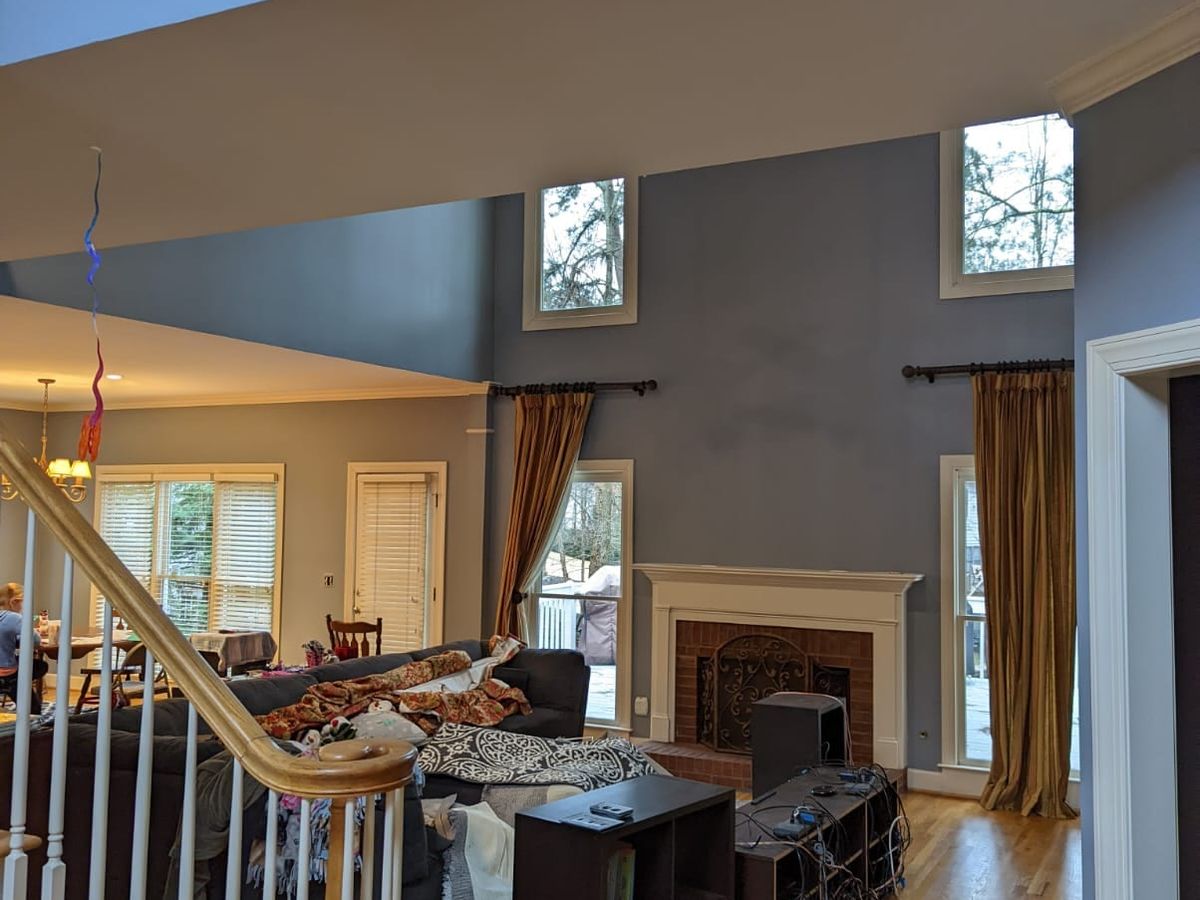
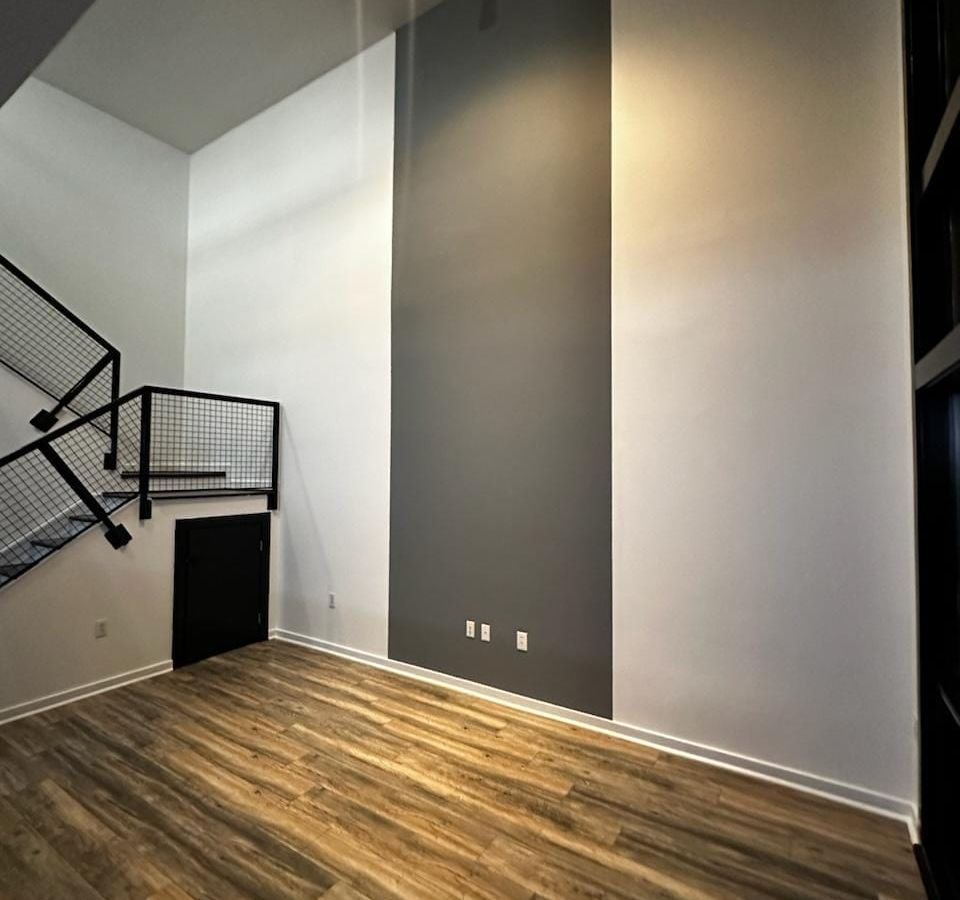
- Walls: matte or satin. Matte gives a soft, rich look and hides small flaws. Satin is the pick for walls that get touched, splashed, or scrubbed.
- Trim and doors: satin or semi-gloss. Baseboards, door frames, and doors take bumps and fingerprints, so they get a tougher, washable finish that also gives a crisp line against the walls.
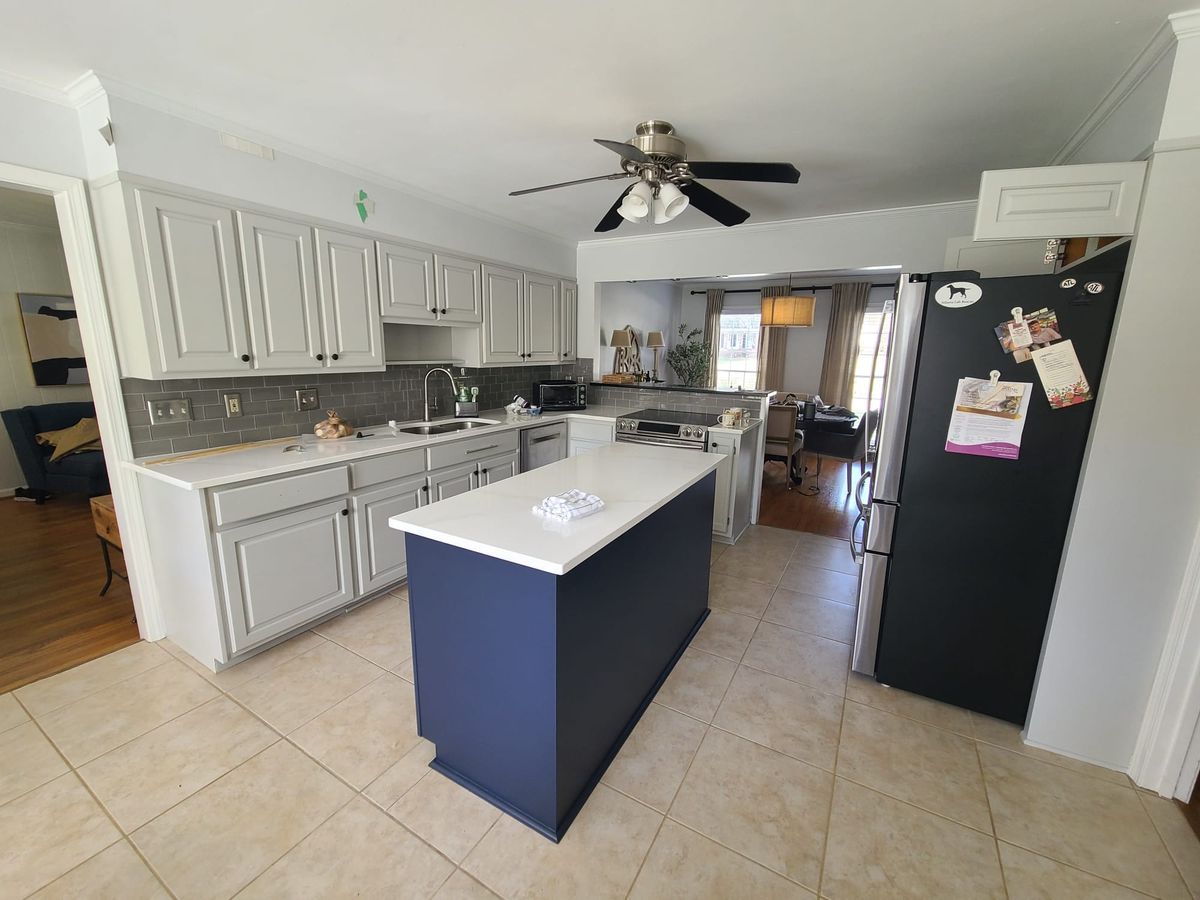
- Cabinets: satin. Durable and easy to wipe down, without the glare of a high gloss.
Cabinets are a different job
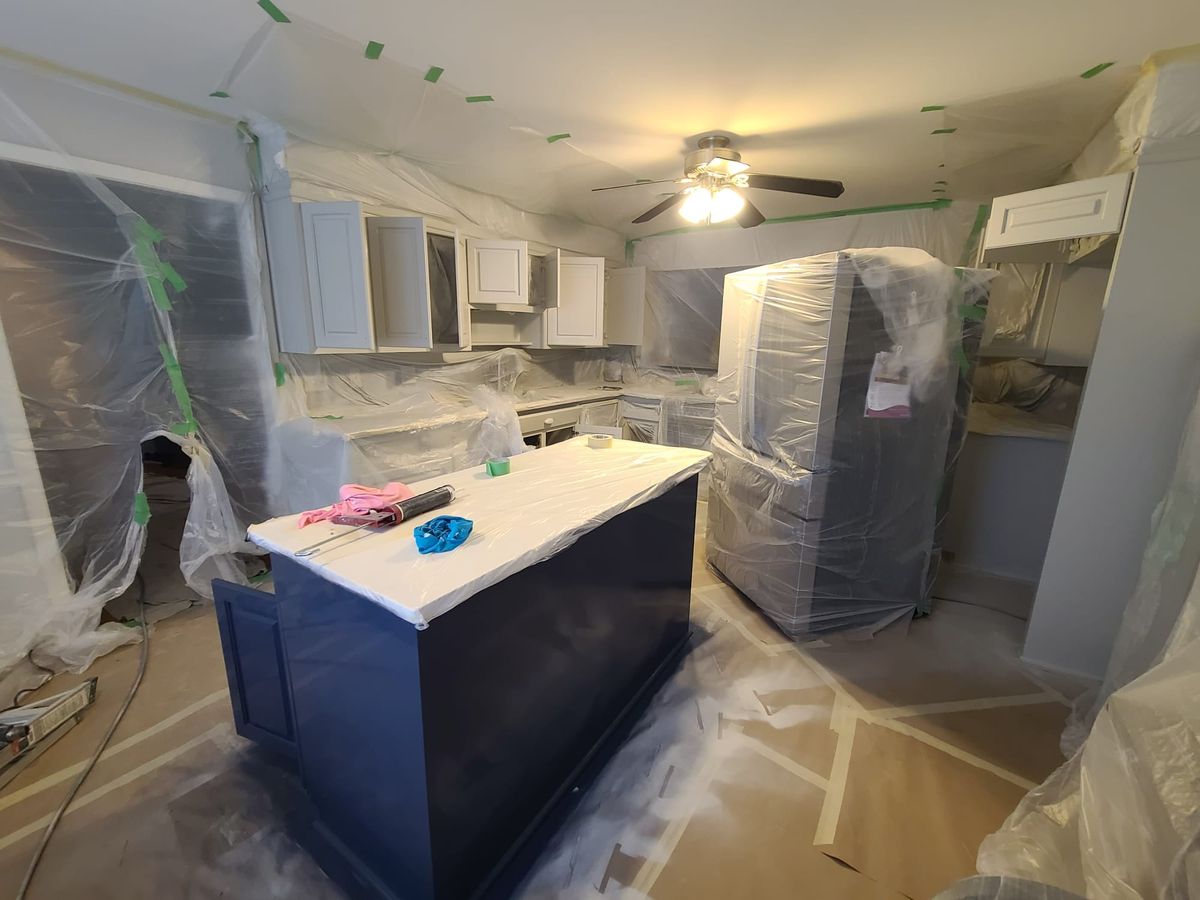
Cabinets get handled more than any other painted surface in a home, so they get a tougher enamel finish, usually in satin, over a primer made for the job, not wall paint.
Our guide to painting kitchen cabinets covers what a lasting job includes, and our cabinet painting page covers how we do it.
Picking the color too?
Our guide to choosing interior paint colors covers light, flow between rooms, and testing samples. When you’re ready, see our interior painting or get a free estimate.